a portal to online therapeutic mental, physical, emotional and social wellbeing for carers
- You are here:
-
Home

-
Treat Yourself
-
Portal
- Medical Support
The Tool used to describe the Governments healthy eating advice, explained.

If illness, disability, an accident or frailty is preventing you from carrying out everyday activities and you are eligible for community care services, the occupational therapy service can support you in becoming more independent at home.

The Gynaecology Department provides a comprehensive gynaecology service with a full range of sub-specialities.
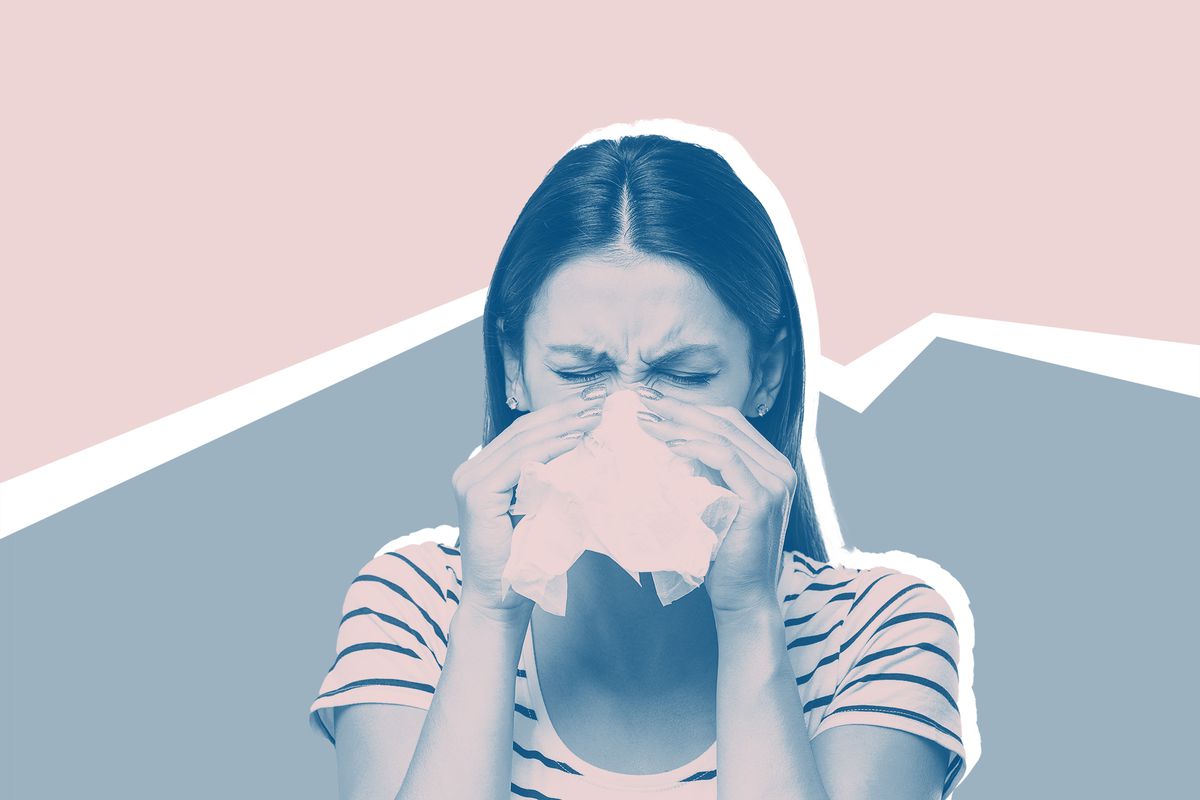

A good relationship with food involves having unconditional permission to eat the foods that make you feel good physically and mentally...

Good oral hygiene is necessary to keep teeth and gums healthy. It involves habits such as brushing twice a day and having regular dental checkups.
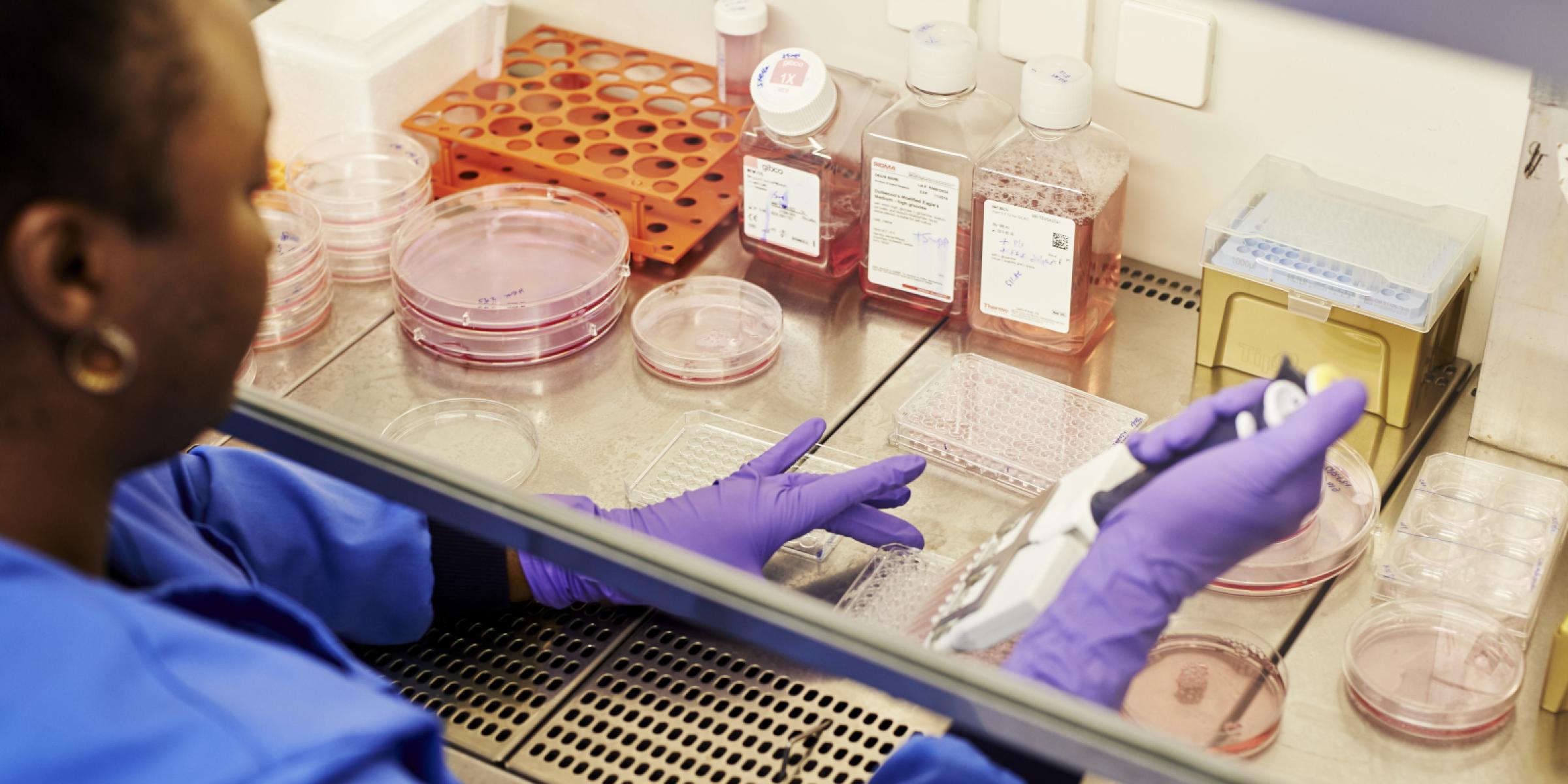
Dementia research is essential so that we can understand the causes of dementia and find new treatments.

This year has been one of the most challenging years in the NHS’ history… As the NHS calls on people to continue or embrace positive change to live well, work well and care well, we too must ensure that we are taking positive action to support our staff, patients and the communities that we serve.

This guideline covers behaviours such as diet and physical activity to help children (after weaning), young people and adults maintain a healthy weight or help prevent excess weight gain.

Breakfast is more than just eggs, bacon, and toast, or funny face pancakes with strawberry lips. It’s the meal that breaks your overnight fast. The first food you put in your body each day can set you up for success … or a downward spiral.
:max_bytes(150000):strip_icc():format(webp)/Stocksy_cookies-and-ice-cream-cone_1063918-copy-57b1cb265f9b58b5c205d22a.jpg)
The brian uses more energy than any other organ in the human body and glucose is its primary source of fuel. But what happens when the brain is exposed to an excessive amount of sugars?

It’s common to feel shaky after a vigorous workout. This can happen for several reasons, but it's usually no cause for concern. Still, it’s important to know the difference between what's normal and what’s not.
:max_bytes(150000):strip_icc():format(webp)/GettyImages-592016219-58b0a7403df78cdcd8da56e6.jpg)
Most of us have, either occasionally or more frequently, had the unpleasant experience of forgetting something. This article explores emotional causes, drugs and medical treatments, physical and medical conditions, cognitive causes as well as other forms of dementia.
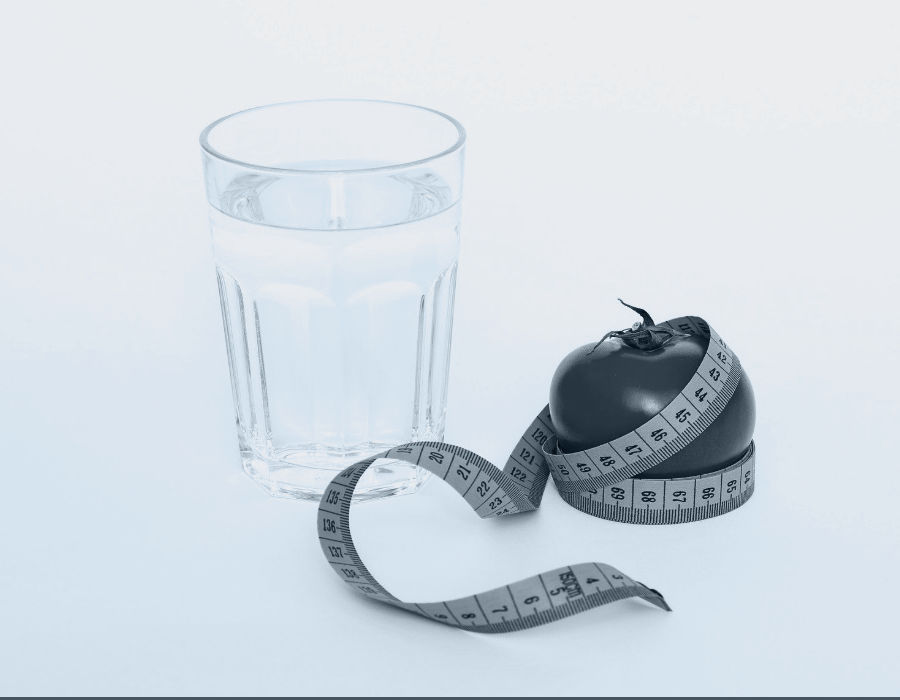
Where does our Knowledge on Health and Wellbeing Come From? Do we rely on information printed in magazines, listen to recommendations made by medical experts, or rely on the advice of friends and family members? More specifically where do we source our information on obesity?
Everyday tips by a leading nutritionist to recharge your healthy eating habits.
Our 10 best exercises in the most effective combination to relieve knee pain.
You may not feel it, but you do things every day that affect your blood pressure.
Around 4.2 million people are predicted to be living with Type 2 diabetes in the UK, and an estimated 12.3 million people are at risk of Type 2 diabetes.
This film looks at Alzheimer's Society's services and support for people with dementia and carers.
The dementia guide is for anyone who has recently been told they have dementia.
How can we support people with dementia at the end of their life?
If you or someone you know needs help with day-to-day living because of illness or disability, this website explains your options and where you can get support.
Created by Don't Tone Alone CIC and Greenwich Carers Centre